

What's Blooming: The Flowers Behind the Flowers
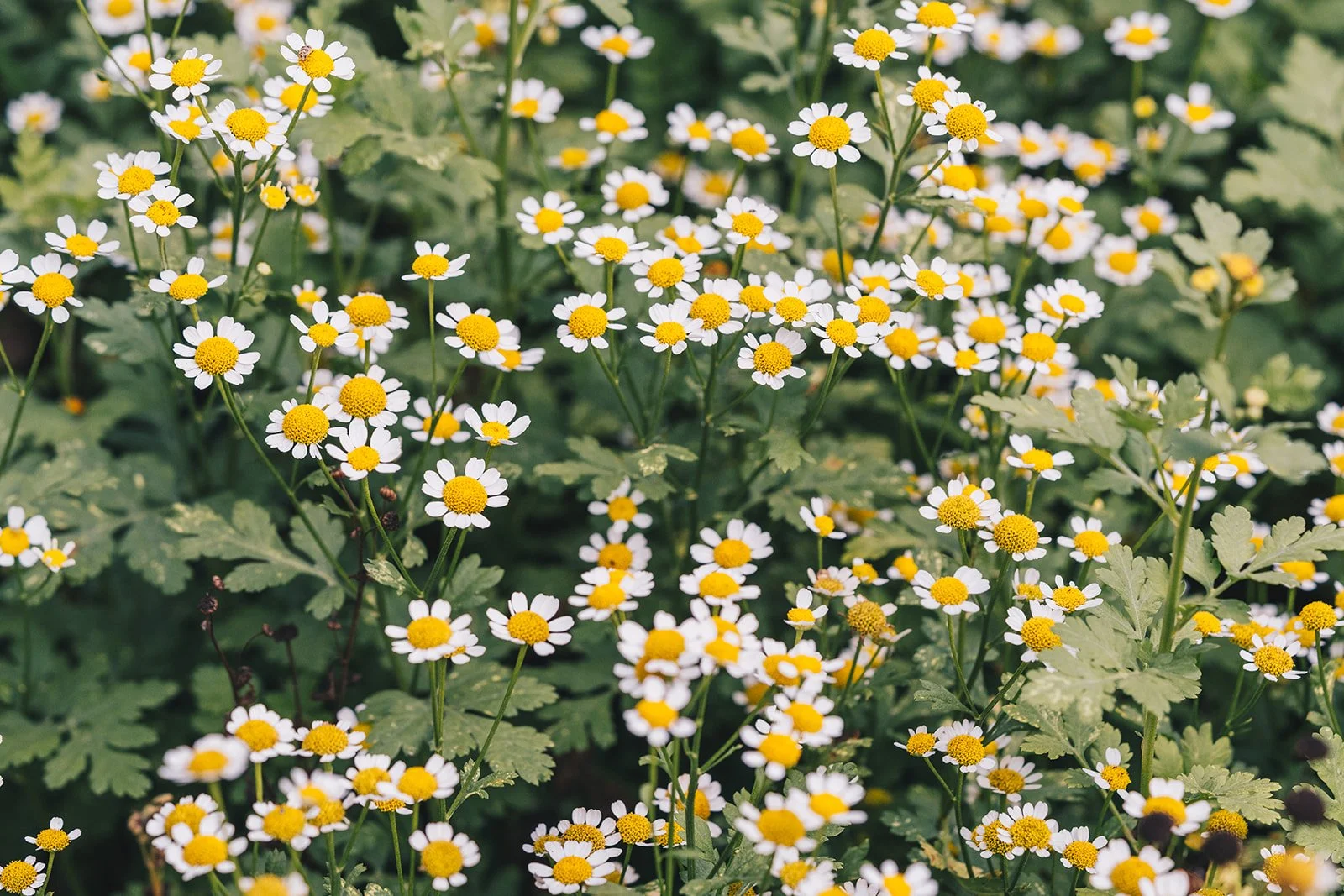
There's a question I get fairly often when my customers receive their fresh flowers. They usually turn the bouquet over in their hands and ask about a particular stem. And no, it’s not the big dahlia in the center or the tall spire of delphinium, but something smaller, something branching at the edges. What's that one called? Why is it there? And the reason it's there is more interesting than most people expect.
The Supporting Cast
In any arrangement worth looking at, there are flowers that lead and flowers that hold everything together around them. The ones that lead are easy to identify — they have presence and a shape that reads from across the room. The ones doing the supporting work are subtler. They fill the space between stems, add a layer of texture that viewers tend to ignore at first, and keep a bouquet from feeling sparse even when it's built from only a handful of stems.
These are what we, flower farmers and florists, call fillers. It's a practical name which honestly undersells what they do for a bouquet. And what they actually do is closer to what a good frame does for a painting. They give the focal flower someplace to settle and make the whole thing feel cohesive and thoughtful.
Once you pull them out, the arrangement loses something. The focal flowers can be beautiful, but the bouquet just won’t look right. Something will feel off, even if you can't immediately name what.
The Filler Flowers We Grow and Why
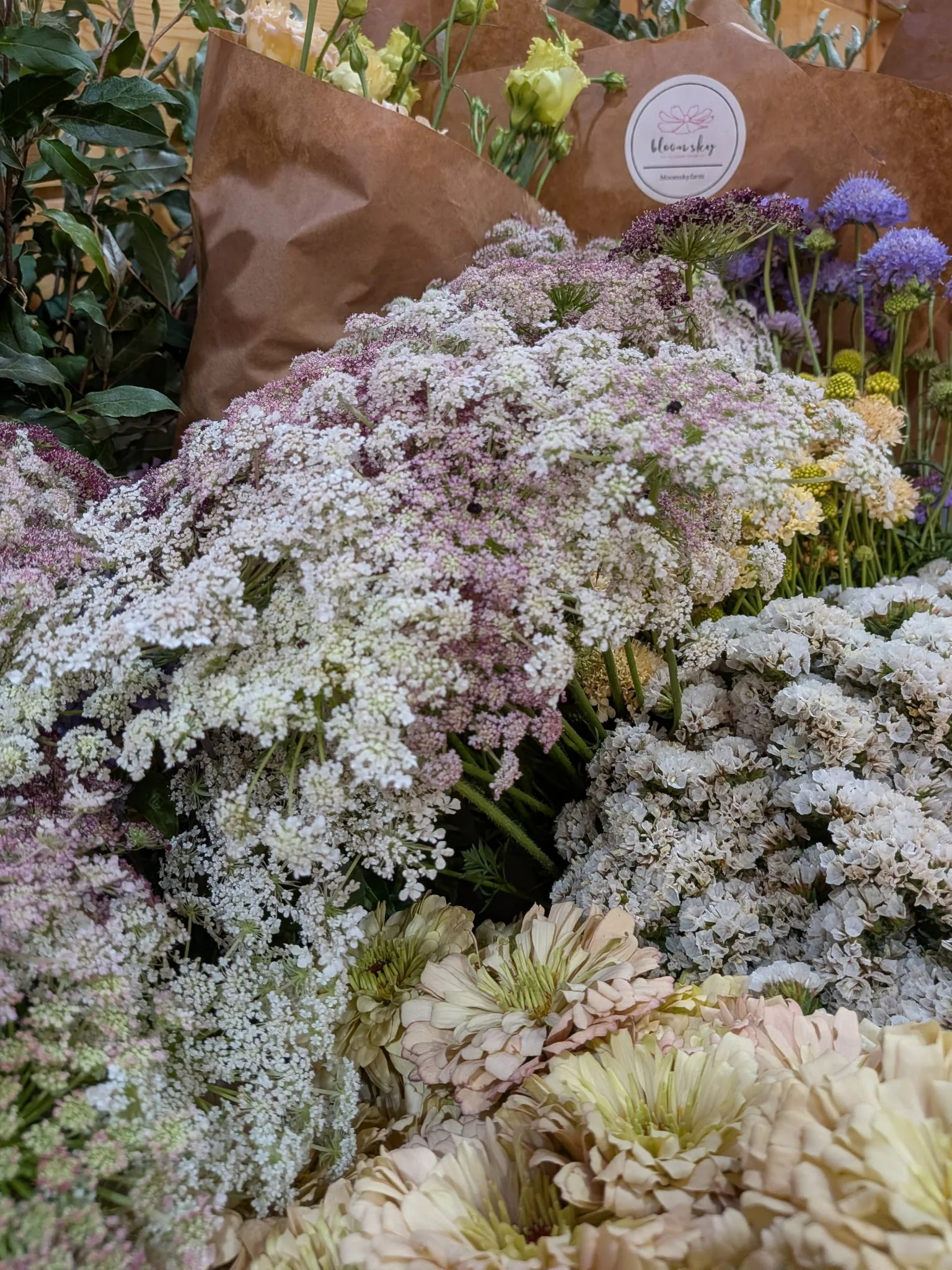
The fillers we grow at the farm are chosen as deliberately as anything else in the field. Each one brings something specific to what ends up in the bouquet.
Daucus is the one that adds air. Its fine branching stems carry small white blooms that move with the slightest breeze. In a vase, it gives arrangements a looseness that feels gathered rather than put together. It's the kind of flower that makes a bouquet look like it came straight from a field.
Bupleurum brings color without competing. Its small chartreuse blooms sit somewhere between green and yellow and have a way of making whatever grows alongside them look more vivid. It's understated in the best sense — present without pushing.
Grasses and seed heads do something different again. They bring movement and a wildness to the edges of an arrangement that softer blooms don't always manage on their own. A few grass stems in a summer bouquet change the whole feel of it.
Strawflowers are the ones with the most personality. The texture is papery and a little architectural, and the colors they come in — deep amber, warm burgundy, pale blush — anchor the warmer side of a seasonal palette well and also fits our Bright Lights Bucket well. Strawflowers may be small. but they carry weight.
And then there's statice, which is the one we reach for most consistently across the season. Part of it is practical. It handles summer conditions well, has a long cutting window, and produces reliably without asking much from the soil. But the more honest reason is that it simply works in almost every combination we put together. The clusters of tiny blooms add a texture that plays differently depending on what's around them, and unlike most things we cut, it holds its color and form long after the season has moved on. We covered it in more depth in a recent Flower Focus if you'd like to read more about how it grows and how to care for it at home.
What's Available Now
The fillers in our bouquets shift week to week depending on what's ready in the field. What's there in late June won't be the same as what's there in August, and that change is part of what keeps the arrangements feeling true to the season.
We set aside a small number of bouquets each week. If you're planning around a specific date, pre-ordering makes things simpler — and as always, each bouquet purchased helps us give one too.
