

Ohio's Migratory Birds and the Journey They Face Each Fall
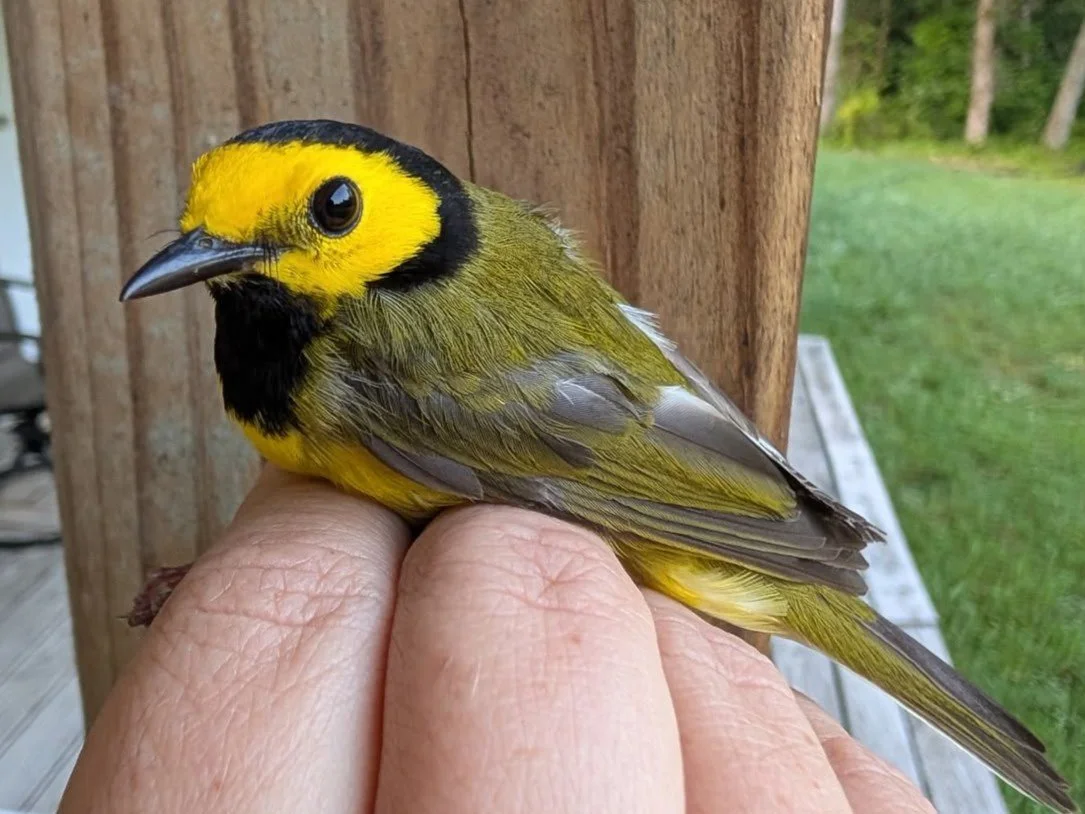
Before we know it, fall will be here. But even sooner than that, the biological clocks of our little wild birds will set off an alarm that reminds them that it’s time to begin migrating.
I love to use eBird to follow along and watch the migration counts because it starts gradually and then suddenly all at once. Warbler migration peaks in September, followed by sparrow migration in October. Blackpoll Warblers pass through Ohio in large numbers during September up to early October, heading toward the Atlantic Coast and ultimately toward their winter range in South America. The fields and woodlands that feel settled during the summer will become busy corridors for birds on their way to somewhere else.
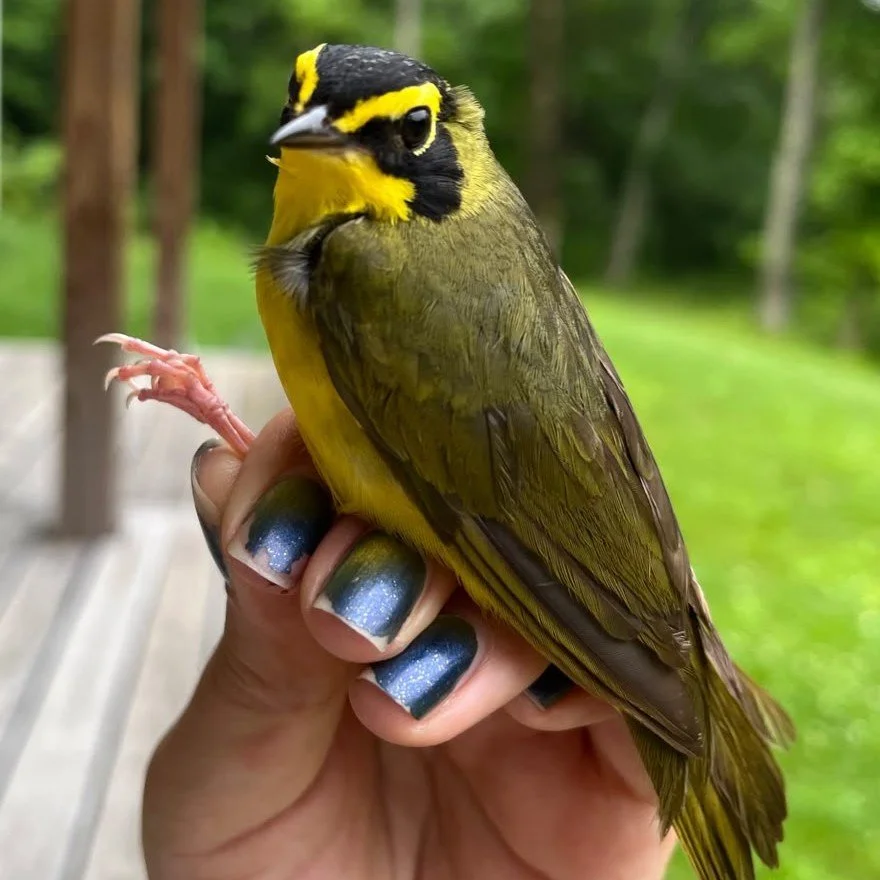
We are lucky to witness this migration season here in our flower farm. Warblers move through our land and they often pause along the field edges before continuing south. Some of them are probably species that few people ever get a close look at. Seeing them here, even briefly, in the middle of an ordinary working day, is one of the more remarkable things this place offers.
But migration is not a simple or safe undertaking. For the birds making this journey, the route south gets increasingly difficult, and the challenges they face along the way are worth knowing about.
Where They Come From and Where They Go
Ohio receives waves of warblers each spring, arriving from their wintering grounds on their way to breeding grounds in the state and northward. In the fall, that movement reverses. Birds leave their summer homes to travel hundreds of miles in search of the right environment, using our region like a bed-and-breakfast along the way to their final destination.
Ohio's migration hotspots like Magee Marsh Wildlife Area can be filled with blackpoll, bay-breasted, Cape May, and yellow-rumped warblers on a good day. But migration doesn't only happen at designated wildlife areas. It happens pretty much everywhere. From backyards, farm fields, woodlots, and the kind of habitat that exists along the edges of working land like ours.
Food and Water Along the Way
Migration is an enormous physical undertaking. Birds need to fuel themselves at stopover sites along the route. And the quality of those sites determines whether they arrive at their destination conditioned to survive the winter. A bird that can't find enough food or water at stopovers leaves them depleted and compounds the difficulty of every subsequent leg of the journey.
Native plants are the foundation of good stopover habitat. They support the insects that fuel birds that eat insects and they also provide berries and seeds for those that eat them. A landscape stripped of native vegetation offers very little to a bird moving on a tight energy budget. Water sources matter just as much as the flora. There has to be a shallow pond or any other water source that could double as a clean birdbath because it makes such a meaningful difference to a migrant that has been flying through the night.
Window Strikes and Artificial Lights
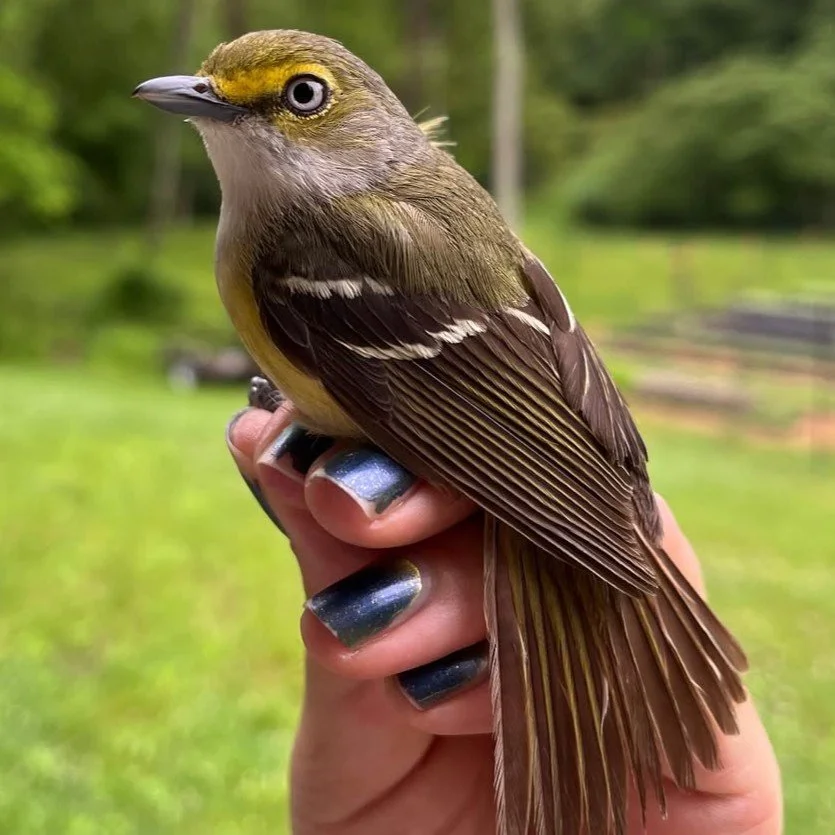
Over one billion birds die from window strikes in the United States each year. By day, birds perceive reflections of nature in glass as a place of rest. By night, migratory birds are drawn in by artificial lights and are at high risk of colliding with buildings. Collision rates appear to be greater during fall migration than in spring, possibly due to the greater number of birds on the move.
The fixes are not complicated. Window decals can be applied to windows to help birds understand that glass is not something to fly into. Keeping blinds partially closed during migration season reduces the reflective quality of glass from the outside. Moving bird feeders away from windows — beyond thirty feet - greatly reduces the risk of a fatal strike.
Around 80% of migrating birds fly at night and can become disoriented by city lights. Birds use the moon and stars to navigate during their migration journey, and lights left on outdoors at night can disrupt that navigation entirely. The glow from high rise buildings can pull birds off course, drawing them into urban areas where the density of windows, vehicles, and predators are highest.
Turning off nonessential lights from 11 p.m. until 6 a.m. during spring and fall migration is one of the easiest things we can do to help birds survive and reach their destinations. Several cities have formal Lights Out programs during peak migration windows. It's a low-effort change with measurable results.
Outdoor Cats
I adore cats. Booberry is my sweet little old lady of 15 years, but she’s only ever inside. Cats are estimated to kill more than 2.4 billion birds annually in the United States. This is the leading human-caused reason for bird mortality, aside from habitat destruction. During migration, when birds are moving through unfamiliar territory and focused on finding food and rest rather than avoiding predators, the risk from outdoor cats is significantly higher. A tired migrant resting on the ground or in low vegetation is in a poor position to escape a cat it doesn't recognize as a threat.
Keeping cats indoors during migration season would be extremely helpful to our bird population.
Wildfires and Stopover Habitat
The threat that has received the least public attention - smoke - may be among the most serious if we’re looking at it long term. Wildfire smoke has the potential to impact migratory birds at a geographic scale far beyond the bounds of the fires that generate it. Birds have sensitive respiratory systems, and smoke exposure during migration can weaken them significantly at the moment they can least afford it.
Beyond smoke, fires have significant negative effects on bird abundance and diversity at stopover sites, with reduced habitat and food availability the likely cause. While localized fires may allow birds to find alternative nearby stopover locations, large-scale fires could significantly impair migration success by reducing habitat quality across extensive areas.
When there are more wildfires active in western North America, birds shift their movements to avoid areas of fire and smoke, and arrive at banding stations in worse body condition and overall health. A bird that enters migration already compromised has less margin for every other challenge it will face along the route.
How We Can Help Migrating Birds
The scale of these threats can feel discouraging. But the collective impact of our individual choices is real and can cause big positive changes.
If you have a green thumb, you can plant native plant species in your yard or along field edges. They support the insect populations that migrating birds depend on for fuel. Put out a shallow water source and keep it clean. Stick some decals on your windows or keep the blinds down during September and October. Turn off outdoor lights during peak migration nights. Keep your cats inside.
On larger land, leaving hedgerows intact, maintaining brushy field edges, and avoiding pesticide use during migration season all contribute to the quality of stopover habitat available to birds moving through.
The warblers that pass through our flower farm each fall don't know what we've done to make the land a little more hospitable to them. They just stop, rest, eat what they can find, and move on. That's enough. The point isn't recognition. It's that they make it to their destination.
