

Early Summer Flowers, and What's in Bloom on the Farm
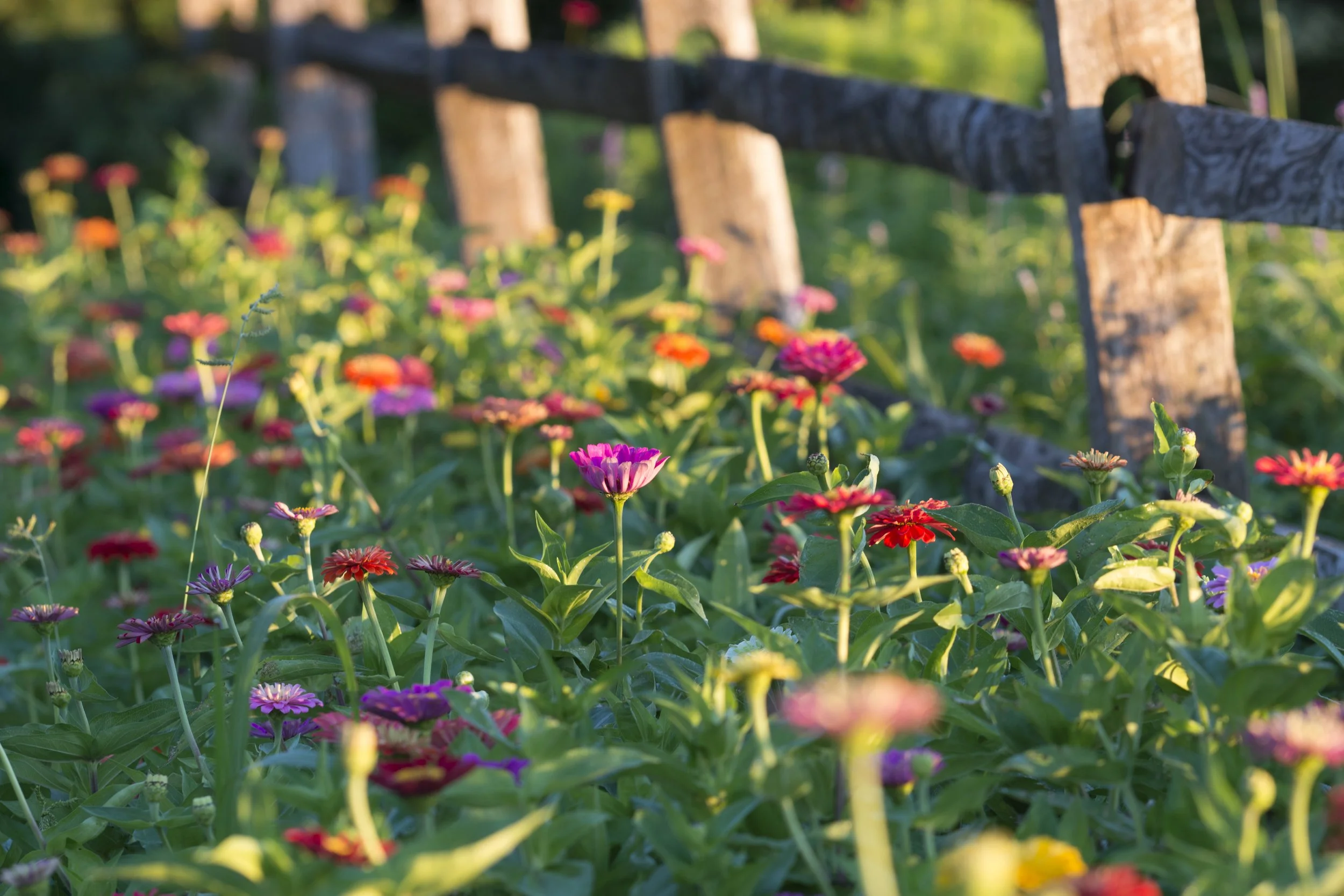
Spring and early summer weather in Ohio can mean anything from late frosts to humid heat waves. Where Spring is a fragile window where everything blooms and disappears before you’ve fully had time to appreciate it, early summer feels steadier. The fields fill out, the colors deepen, and the farm settles into itself.
If you’re curious what we’ll have in bloom in early summer, here's what we'll be cutting in a few weeks:
Zinnias
Zinnias are the backbone of summer. They come in fast and they keep coming — the more you cut, the more they push out. We grow them in a range that runs from soft coral and pale peach all the way to deep burgundy and burnt orange. There's a warmth to them that fits the season. A zinnia in late June looks like it belongs exactly where it is.
My son used to call them the "messy flowers" when he was small because of how full and layered they are. He wasn't wrong. They don't have the refinement of ranunculus or the graphic quality of anemone. They're generous and a little unruly, and an arrangement built around them feels that way too.
Lisianthus
One of the quieter flowers in the field but one of the most useful. The buds open in layers, similar to a peony but more controlled, and the color range we grow leans toward white, soft pink, and apricot. They hold very well in the vase — longer than almost anything else we cut — and they add a softness to arrangements that nothing else quite replicates.
They take a long time to grow. We start them from seed in December because they don't rush to germinate, and they take forever to establish. But, when they finally arrive, they feel earned.
Sunflowers
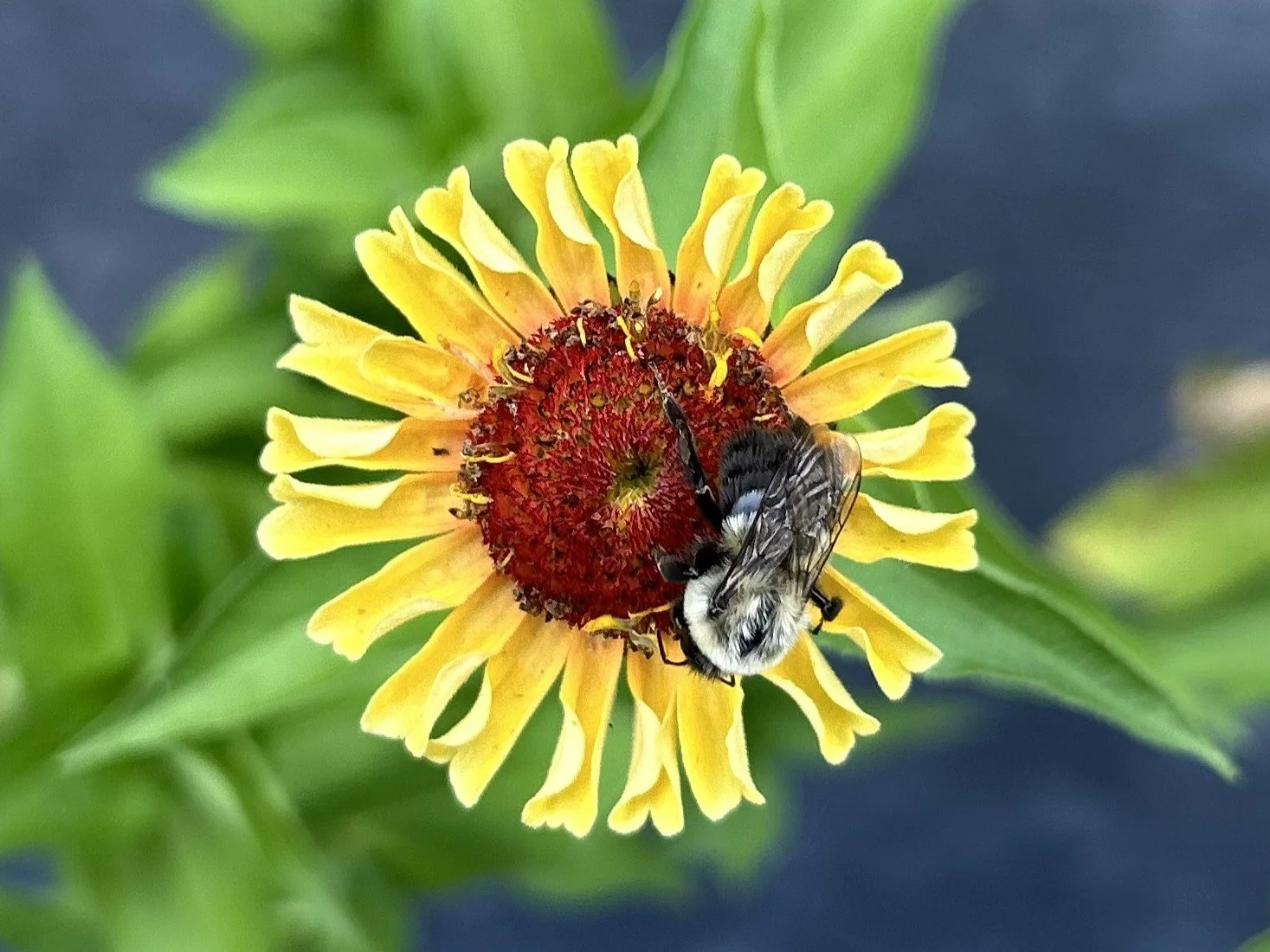
The first sunflowers of the year always stop people. There's something about seeing them in person — the scale of them, the way they face the morning — that doesn't come through in a photo. We cut them when the petals are just beginning to lift away from the center. At that stage they'll continue to open over a few days and the stems stay strong. We grow a wide variety of colors here, from white to deep red, but a classic yellow sunflower still feels unmistakably like summer.
A single sunflower in a simple vase is one of the easiest things to do with a cut flower and one of the most satisfying.
Hydrangea
Hydrangeas arrive more quietly than the annuals, but once they open they anchor everything around them. Their blooms are broad and weighty, softening the sharper textures in summer arrangements and bringing a kind of steadiness to the field that few other flowers can. We grow them in several stages throughout the season, starting with fresh green and creamy white before moving into the antique tones that begin developing later in summer.
They’re one of the few flowers that feel just as beautiful as they age as when they’ve first opened. Even as they dry on the stem, they hold their shape and color in a way that makes you want to keep them around long after the season shifts.
Celosia
Celosia is the flower that either catches people immediately or takes a moment to appreciate. The texture is unlike anything else in the field — the crested varieties look almost like velvet, the plume types like soft flames. We grow both. They add structure and a certain boldness to arrangements without needing much support from surrounding flowers.
The color holds after cutting, which makes them one of the few summer flowers that dry beautifully too.
Strawflowers
Small and underestimated. Strawflowers have a papery texture that feels almost architectural, and the colors — gold, rust, deep red, pale pink — read differently depending on what's around them. We tuck them into arrangements more than we lead with them, but take one out and you notice immediately. They do quiet work.
They also dry on the stem, which means a summer bouquet can turn into something you keep through winter.
Dahlias
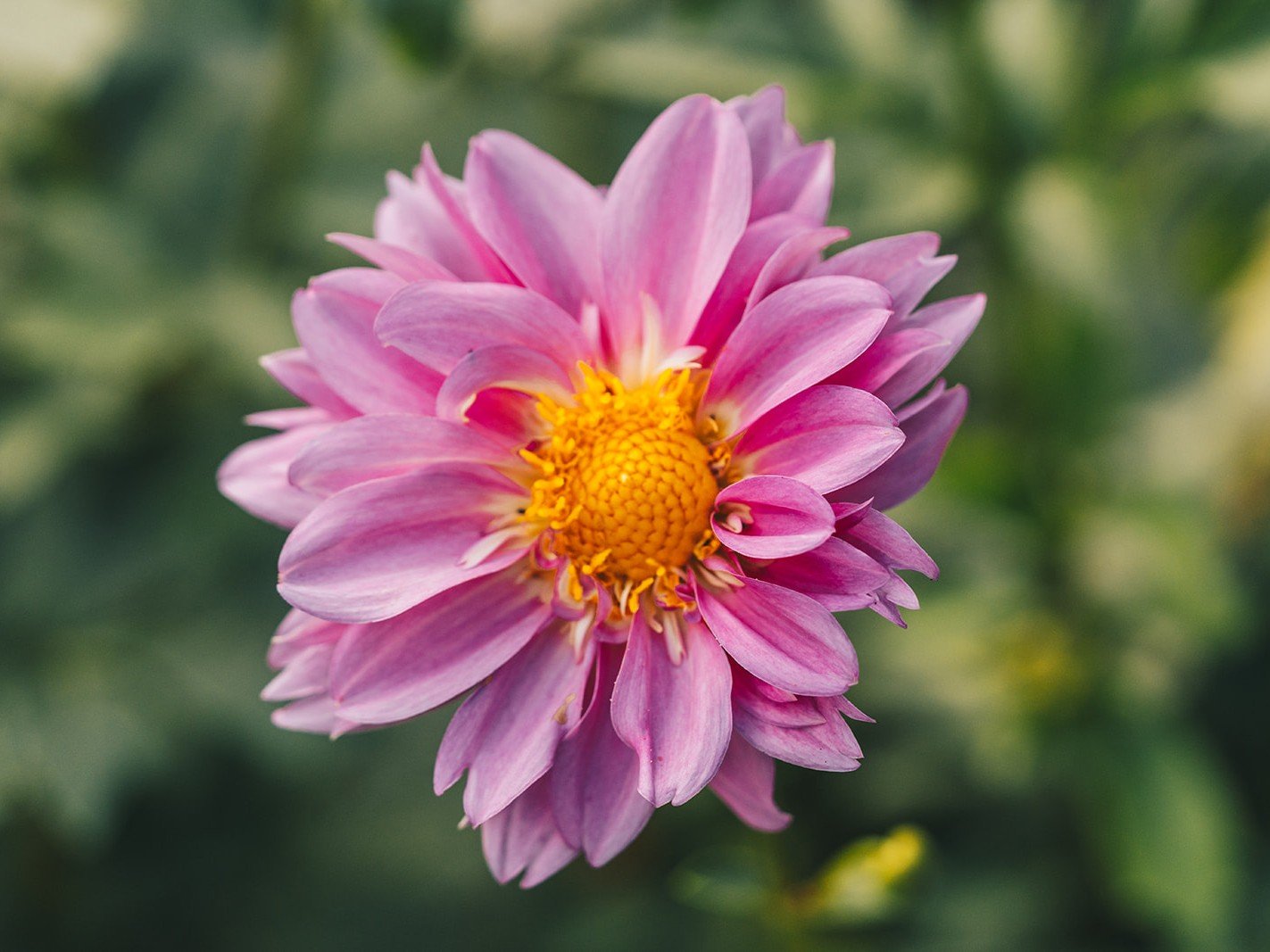
Dahlias begin blooming for us in early June, but they really come into their own as summer deepens, and once they do, the field changes completely. Some blooms are the size of dinner plates while others are smaller and more intricate, with petals that twist or fold differently every morning. No two varieties seem to carry themselves quite the same way.
We grow dahlias in soft blush tones, warm peach and honey shades, deep burgundy, and the occasional color that almost doesn’t look real in the evening light. They’re one of the flowers people stop walking for. By late summer, they become the center of almost everything we cut.
A note on availability
Early summer is one of the more generous stretches of the season, but what’s ready to cut still changes week to week. If you’re planning around an event or gathering, reaching out to us early gives us the best chance to set flowers aside while they’re at their peak. Everything is cut fresh for orders, in limited quantities, and once a variety moves through its bloom window, we wait another year to see it again.
Each bouquet purchased helps us give one back to our community, too. That's been part of how we work since the beginning.
